 LNEYA Refrigeradores industriais Fabricante Fornecedor


Free Cooling vs Mechanical Cooling: Why Chillers Make the Difference
In many facilities, operators notice that compressors of chillers run constantly even when the outside air is cold. The system keeps process temperatures stable, but at a high energy cost. This situation raises a simple question: when does it make sense to rely on free cooling instead of mechanical cooling?
Both approaches have their roles in industrial temperature control. Which one works best depends on your process, your location, and the equipment you use.And when you run them through a well-designed sistema de refrigeração, you get to choose the right method at the right time.
What is Free Cooling
The Basic Idea
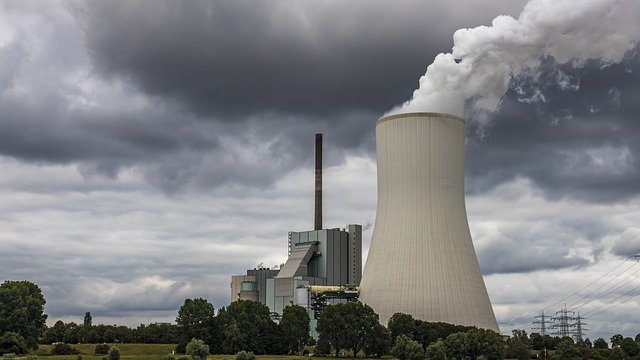
Free cooling uses the cold air or water from the environment to handle your cooling load, instead of relying on the chiller’s compressor. If the outside temperature is low enough, you can bypass mechanical refrigeration entirely and let nature do the work.
How It Works
Think of it as an intelligent shortcut. When the ambient temperature drops below your process temperature, the chiller’s control system routes the heat exchange through an external coil or cooling tower. The process fluid—often glycol or water—gets cooled directly by the environment before returning to the system.
Common Setups
In real-world facilities, you might see:
• Dry coolers paired with plate heat exchangers
• Cooling towers with free cooling coils
• Water source systems pulling from lakes or rivers
Each setup looks different, but the idea is the same: use the free cold outside before firing up the compressor.
Operating Conditions
Free cooling shines when your site sees long periods of cool or cold weather. It’s common in northern US states, Canada, and parts of Europe. For example, if your process runs at 50°F and it’s 40°F outside, you’re in the free cooling zone.
Vantagens
• Huge energy savings when conditions are right
• Less wear on compressors and refrigeration components
• Lower overall operating cost
• Reduced environmental footprint
Limitations
• It’s seasonal—warm weather cancels the benefits
• Requires space for extra coils or towers
• Needs clean, stable outdoor air or water
What is Mechanical Cooling
The Basic Idea
Mechanical cooling is the workhorse of industrial temperature control. It uses the chiller’s compressor, condenser, and evaporator to create the cooling effect, regardless of outdoor temperature.
How It Works
A refrigerant circulates through a closed loop. The compressor raises its pressure, the condenser rejects heat, and the evaporator absorbs heat from the process fluid. The system delivers stable temperatures whether it’s 100°F outside or -10°F.
Common Setups
• Refrigeradores arrefecidos a ar with condenser fans pushing air over finned coils
• Water-cooled chillers with cooling towers handling heat rejection
• Hybrid chillers with variable-speed compressors for efficiency
Vantagens
• Works year-round in any climate
• Precise temperature control, often within ±0.1°F
• Can reach very low process temperatures (down to -40°F or lower)
• Compact footprint compared to large free cooling arrays
Limitations
• Higher energy consumption compared to free cooling
• More mechanical parts to maintain
• Greater environmental impact if run continuously at high load


Free Cooling vs Mechanical Cooling
Put simply, free cooling is cheaper and cleaner when the weather allows, but mechanical cooling is reliable and consistent in all conditions.
If you run a facility in Minnesota, you might get six months or more where free cooling handles most of the load. In southern Texas, you may only get a few weeks in the winter where it’s worth switching over. Mechanical cooling, on the other hand, keeps your process stable no matter where you are, but you pay for that stability in electricity and maintenance.
A common misconception is that you have to choose one or the other. In reality, modern chiller designs let you blend both methods so you’re not stuck overpaying for cooling in the off-season.
| Comparison Factor | Free Cooling | Mechanical Cooling |
| Consumo de energia | Baixa | Elevado |
| Controlo da temperatura | Moderado | Elevado |
| Suitable Climate | Cold regions / winter | All climates |
| Investimento inicial | Moderado | Medium-High |
| Operating Cost | Very Low | Elevado |
| Availability | Seasonal | Year-round |
| Impacto ambiental | Low carbon | High carbon |
Combining Free Cooling and Mechanical Cooling
How to Combine Them
The smartest approach is to run a hybrid chiller that can switch between free cooling and mechanical cooling automatically. Sensors monitor the outdoor temperature and compare it to your process setpoint. When the outdoor air is cool enough, the chiller bypasses the compressor and runs in free cooling mode. As soon as the weather warms, the system switches back to mechanical cooling without operator intervention.
Some setups use a partial free cooling mode—letting the environment handle part of the load while the compressor picks up the rest. This is common in transitional seasons when outdoor temperatures are close to your process requirements.
Advantages of the Combination
In the colder months, the compressors barely ran. In summer, mechanical cooling kept the line moving without temperature swings.
• Lower Energy Bills – You only run the compressor when you need it.
• Extended Equipment Life – Fewer compressor run hours mean less wear.
• Consistent Product Quality – Seamless switching keeps process temperatures stable.
• Faster ROI – Energy savings often pay for the hybrid system in a few years.
Why Chillers Make This Work
A standalone free cooling tower or a simple air cooler can’t match the flexibility of a purpose-built sistema de refrigeração. Chillers give you:
• Integrated control systems that know when to switch modes
• The ability to fine-tune temperatures even in free cooling mode
• Compatibility with complex processes like chemical reactors or semiconductor tools
• Compact, all-in-one designs that don’t require you to piece together separate systems
Whether your process demands ±0.1°F precision or just needs reliable bulk cooling, a chiller with free cooling capability keeps you efficient without compromising performance.
Conclusão
Free cooling and mechanical cooling aren’t enemies—they’re teammates. One saves you money when nature is on your side; the other keeps you running when it’s not. A well-designed chiller lets you use both, automatically, without adding complexity for your operators.
If your facility is still running year-round mechanical cooling, you might be leaving serious money on the table. Talk to a chiller manufacturer who understands your process, your climate, and your efficiency goals. With the right system in place, you could be cutting energy bills next season—without losing a single degree of control.

Blogues recentes
- What Does a 200 Ton Chiller Cost
- Temperature Control in Photolithography
- Is a Used Chiller a Good Idea
- Chiller Components and Refrigeration Fundamentals Guides
- Chiller Types and Selection Guides
- How Does a Peltier Cooler Work
- Peltier Chiller vs. Compressor Chiller
- What Is a Peltier Chiller
Catálogo
- Dezembro 2025
- Novembro 2025
- Outubro 2025
- Setembro 2025
- Agosto 2025
- Julho 2025
- Junho 2025
- Maio 2025
- Março 2025
- Fevereiro 2025
- Janeiro 2025
- Dezembro 2024
- Novembro 2024
- Outubro 2024
- Setembro 2024
- Agosto 2024
- Julho 2024
- Junho 2024
- Maio 2024
- Abril 2024
- Março 2024
- Fevereiro 2024
- Setembro 2023
- Julho 2023
- Junho 2023
- Maio 2023
- Janeiro 2023
Etiqueta
refrigerador arrefecido a ar refrigerador Instalação de chillers Chiller Maintenance chiller refrigerant refrigeradores Congelador de montagem a frio refrigerador de refrigeração sistema de arrefecimento e aquecimento sistema de arrefecimento sistema de controlo dinâmico da temperatura chiller energeticamente eficiente refrigerador à prova de explosão congelador circulador de aquecimento refrigerador industrial refrigeradores industriais arrefecimento industrial congelador industrial frigorífico industrial reator de camisa refrigerador de laboratório refrigerador de baixa temperatura notícias refrigerador de óleo refrigerador de processo resfriamento de processo refrigerador do reator arrefecimento do reator arrefecimento do reator aquecimento aquecimento do reator arrefecimento bomba de circulação refrigerada refrigerador de parafuso refrigerador de semicondutores refrigerador de teste de semicondutores sundi tcu controlo da temperatura câmara de ensaio termóstato refrigerador de temperatura ultra baixa refrigerador de ensaio de veículos refrigerador de água refrigerador arrefecido a água
Contactar-nos
Refrigeradores relacionados


FALE CONOSCO
TEL:
EMAIL:
WeChat & WhatsApp:

Wechat QR

Tem alguma pergunta ou precisa de um orçamento? Preencha o formulário abaixo e nossa equipe entrará em contato dentro de 24 horas.

