LNEYA Refrigeradores industriais Fabricante Fornecedor


Mal-entendidos na utilização do sistema de controlo da temperatura da bomba de vácuo
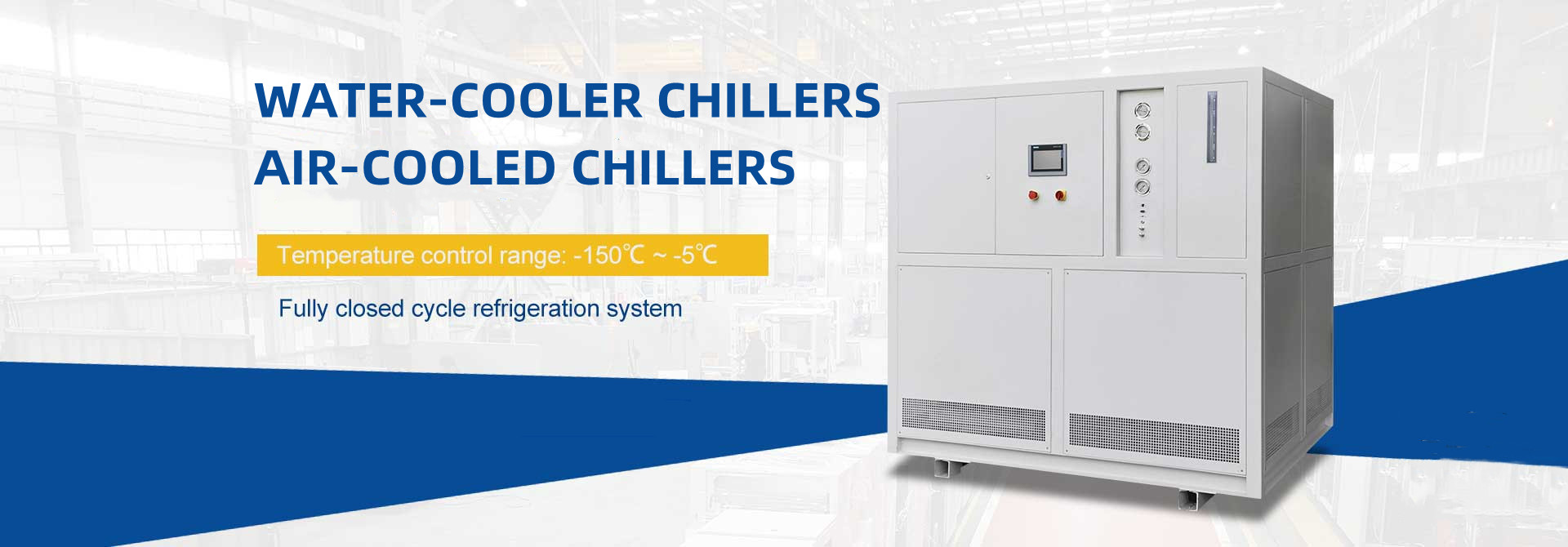
When using the vacuum pump temperature control system, only the correct operation method can ensure the normal and stable operation of the equipment. If there are many wrong operation behaviors, it will directly affect the normal use of the equipment, and even affect the cooling performance.
1. When starting up, adjust the pressure drop of the inlet and outlet water higher than the operating parameters. When the pressure drop is too high, open the inlet and outlet valves of the evaporator of another non-operation unit. Reduce pressure drop by draining excess water from another unit evaporator. This mode of operation is artificially increasing the running current of the cold water pump, wasting power resources.
2. When starting up, the inlet and outlet valves on the evaporator of the chiller that are not turned on are not closed first, which causes a part of the cold water to flow away from the evaporator of the chiller that is not turned on, which affects the cooling effect of the chiller in the working state.
3. In the process of operation, it is necessary to carefully study the specific steps of opening and closing the equipment, and use the correct operation method to start the heating and cooling temperature control system according to the actual use environment, so as to avoid equipment failure.
4. Every time you need to use it, you need to follow the steps in the instruction manual. If there is a different operation method than the requirement, it needs to be corrected in time, so as not to affect the normal operation of the equipment, and it is not conducive to the long-term use of the vacuum pump temperature control system by the enterprise.
Therefore, when using it, you need to learn the correct operation method. If the enterprise can complete the entire operation process of the vacuum pump temperature control system according to the operating instructions, even without any maintenance and maintenance, the service life of the equipment can also be guaranteed. Then the more failures occur, the higher the cost of use, which is not conducive to the long-term completion of production tasks for enterprises.
In terms of industrial process temperature control, no matter which temperature control system/equipment you use, they are actually chillers. The difference is that water is used as the cooling cycle or oil is used as the medium. temperature unit. Need help find our LNEYA temperature control solution department at sales@lneya.com.
Recomendações relacionadas
-

Precauções de funcionamento do equipamento de controlo da temperatura do reator da série ZLF/SR
1719O equipamento de controlo da temperatura da chaleira de reação adopta o método de controlo PID, o que melhora consideravelmente a precisão do controlo da temperatura de toda a máquina. O microcomputador para arrefecimento ou aquecimento muda automaticamente para trabalhar de acordo...
Ver detalhes -
Descrição do desempenho do compressor da máquina de ciclo de alta e baixa temperatura
1884A importância do desempenho dos compressores de máquinas de ciclo de alta e baixa temperatura deve ser conhecida por todos, então LNEYA lembra aos utilizadores que é necessário compreender o senso comum do desempenho do compressor.
Ver detalhes -
Instruções sobre refrigeração de refrigerador de baixa temperatura Compressor de parafuso de máquina de circulação
2097Devido aos diferentes compressores, o desempenho da máquina de circulação do refrigerador de baixa temperatura também é diferente. O compressor de parafuso é diferente do compressor de pistão, cuja estrutura é mais sofisticada. Portanto, se o utilizador precisa de escolher...
Ver detalhes -
Cuidados a ter com o congelador de temperatura ultra baixa
15631. Requisitos do ambiente do equipamento: Para manter o exterior do frigorífico criogénico limpo e ventilado, é necessário manter a posição horizontal do frigorífico criogénico estável e garantir que não há artigos diversos à volta. 2. Mana...
Ver detalhes