 LNEYA Refrigeradores industriais Fabricante Fornecedor


How to Maintain Industrial Chillers in Winter
Winter brings a different challenge for refrigeradores industriais. The air gets colder, humidity drops, and water inside your system can freeze faster than you think. A few small checks before the cold hits can prevent cracked pipes, tripped alarms, or worse, a seized compressor.
1. Pre-Winter Inspection
• Check Refrigerant Levels
When the temperature drops, refrigerant pressure changes. Low charge can cause short cycling or ice buildup on the evaporator. Connect your gauges and verify pressure against normal operating conditions. A small leak in autumn can turn into a big problem when the ambient temperature falls below freezing.
• Inspect Piping and Valves
Walk around your chiller and trace every water line. Look for rust, leaks, or loose insulation. Valves should open and close smoothly. In older systems, metal fatigue shows first around joints. Tighten connections and replace worn seals before the system is under winter stress.
• Review Electrical Components
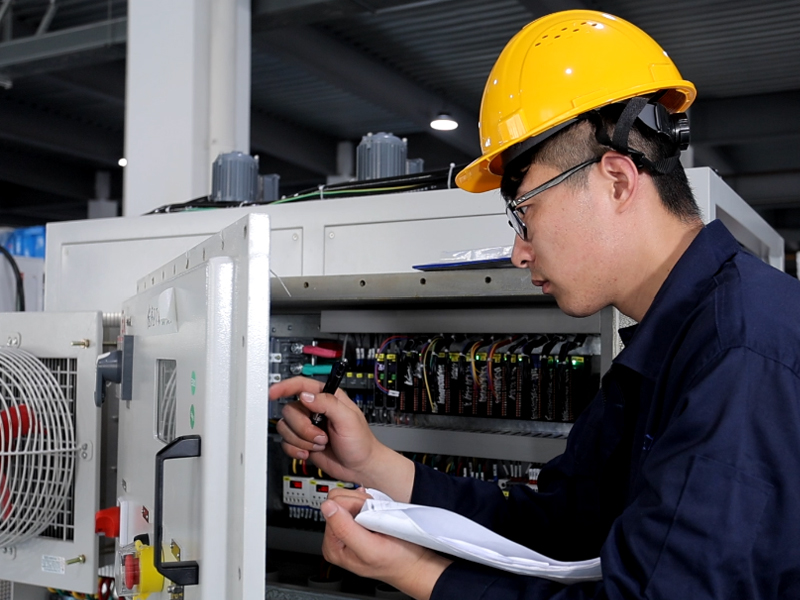
Cold weather makes brittle wires crack. Open the electrical panel and check for corrosion or loose terminals. Look at contactors for pitting and discoloration. Make sure your heater tapes on control panels still work. A simple continuity check can save hours of troubleshooting later.
• Examine Pumps and Flow Sensors
Pump performance often drops in winter because of thickened fluid or restricted strainers. Spin the pump shaft by hand to confirm it moves freely. Check flow sensors and verify that the signal appears correctly on the display. Poor flow readings can trigger unnecessary system shutdowns.
2. Preventing Freezing Issues
• Insulate Exposed Pipes
Any pipe exposed to outdoor air needs insulation that resists moisture. Wet insulation freezes quickly and becomes useless. Check for gaps or damaged covers. Rewrap them properly so the heat from circulating fluid stays in.
• Use Antifreeze Solutions
In climates with severe cold, water alone is risky. Mix glycol or another approved antifreeze into the cooling loop. The correct concentration depends on the lowest expected temperature. Too much glycol lowers heat transfer, too little risks freezing. Consult the chiller manufacturer’s chart for the right balance.
• Monitor Water Temperature
Install a reliable temperature sensor at the tank outlet. If the water temperature drops near freezing, start the pump or bypass valve to keep flow moving. Stagnant water freezes faster than moving water.
• Check Expansion Tanks
As temperature falls, fluid contracts. Make sure the expansion tank has enough space and the diaphragm is intact. A collapsed tank can push pressure spikes into the system when temperatures rise again.
3. Lubrication and Oil Maintenance
• Check Compressor Oil Viscosity
Cold oil flows slowly. When the chiller starts up, poor lubrication can cause metal contact on bearings and rotors. Use oil rated for low temperature operation. Check viscosity against the specification provided by the compressor maker.
• Warm-Up Procedures for Cold Start
If your chiller sits idle overnight, use crankcase heaters or internal warm-up functions before starting the compressor. Ten to fifteen minutes of warm-up time can make the difference between a smooth start and a locked rotor trip.
• Replace or Top Up Oil as Needed
Oil absorbs moisture over time. In winter, that moisture can freeze inside the compressor housing. If the oil looks cloudy or foamy, replace it. Keep spare oil on site for emergency top-up. Always run the system for a few minutes after adding oil to stabilize pressure.
4. Electrical and Control System Check
• Inspect Relays and Contactors
Cold weather causes metal to contract, which can loosen relay connections. Listen for buzzing or clicking sounds during start-up. These noises often mean a weak coil or a contact that does not seat correctly. Replace suspect parts instead of waiting for a breakdown.
• Verify Sensors and Alarms
Test temperature and pressure sensors with a calibrated meter. If readings drift, recalibrate or replace them. False alarms in winter often come from bad sensors, not real issues. Make sure alarm thresholds in the controller are set according to winter operating conditions.
• Test Control Logic
Run a manual test cycle. Observe how the control system responds when load changes. Check whether heaters, solenoids, and fans switch correctly. Control panels should not show condensation or frost. A quick hair dryer pass removes trapped moisture safely.
5. Start-Up and Operation Tips
• Gradual Load Increase
When restarting after maintenance or downtime, bring load up slowly. Give the refrigerant circuit time to balance. Watch suction and discharge pressures to confirm stability. Fast load jumps cause oil migration and may trigger low-pressure alarms.
• Monitor Pressure and Flow
Pressure gauges and flow meters tell you more than most alarms. Record baseline readings when the system is healthy. If suction pressure falls while flow remains stable, look for refrigerant charge issues. If flow drops, check strainers or pump speed.
• Check for Unusual Vibrations or Noises
A chiller that rattles, hums, or shakes is warning you. In winter, cold rubber mounts harden and transmit vibration. Tighten supports and replace worn mounts. Ruído changes can also mean a bearing problem or partial blockage in the line.
• Record Winter Performance
Keep a log of temperatures, pressures, and current draw. Comparing winter and summer data helps detect early degradation. Small deviations often appear months before major faults.
6. Long-Term Winter Maintenance Strategy
• Schedule Regular Inspections
Do not stop at a single pre-winter check. Inspect monthly during the cold season. Look for frost buildup, pressure fluctuations, and oil level changes. A steady routine prevents emergency calls.
• Maintain Spare Parts
Stock filters, gaskets, sensors, and contactors. Winter deliveries can take longer, especially in remote areas. Having parts ready cuts downtime when problems appear.
• Update Winter Operation Manual
Every site has unique ambient conditions and process loads. Update your internal manual after each season with what worked and what did not. Include start-up steps, shutdown timing, and antifreeze ratios.
With the right preparation, your chiller will run quietly through winter and start spring without surprises.
Conclusão
If you would like more information on chiller maintenance or a detailed chiller quote, you can always contact our team.
📞Phone:+86 189 1425 3067
🌐Website: https://www.lneya.com
✉️Fill out the form to receive a quote: https://www.lneya.com/contact

Blogues recentes
- What Does a 200 Ton Chiller Cost
- Temperature Control in Photolithography
- Is a Used Chiller a Good Idea
- Chiller Components and Refrigeration Fundamentals Guides
- Chiller Types and Selection Guides
- How Does a Peltier Cooler Work
- Peltier Chiller vs. Compressor Chiller
- What Is a Peltier Chiller
Catálogo
- Dezembro 2025
- Novembro 2025
- Outubro 2025
- Setembro 2025
- Agosto 2025
- Julho 2025
- Junho 2025
- Maio 2025
- Março 2025
- Fevereiro 2025
- Janeiro 2025
- Dezembro 2024
- Novembro 2024
- Outubro 2024
- Setembro 2024
- Agosto 2024
- Julho 2024
- Junho 2024
- Maio 2024
- Abril 2024
- Março 2024
- Fevereiro 2024
- Setembro 2023
- Julho 2023
- Junho 2023
- Maio 2023
- Janeiro 2023
Etiqueta
refrigerador arrefecido a ar refrigerador Instalação de chillers Chiller Maintenance chiller refrigerant refrigeradores Congelador de montagem a frio refrigerador de refrigeração sistema de arrefecimento e aquecimento sistema de arrefecimento sistema de controlo dinâmico da temperatura chiller energeticamente eficiente refrigerador à prova de explosão congelador circulador de aquecimento refrigerador industrial refrigeradores industriais arrefecimento industrial congelador industrial frigorífico industrial reator de camisa refrigerador de laboratório refrigerador de baixa temperatura notícias refrigerador de óleo refrigerador de processo resfriamento de processo refrigerador do reator arrefecimento do reator arrefecimento do reator aquecimento aquecimento do reator arrefecimento bomba de circulação refrigerada refrigerador de parafuso refrigerador de semicondutores refrigerador de teste de semicondutores sundi tcu controlo da temperatura câmara de ensaio termóstato refrigerador de temperatura ultra baixa refrigerador de ensaio de veículos refrigerador de água refrigerador arrefecido a água
Contactar-nos
Chillers relacionados


FALE CONOSCO
TEL:
EMAIL:
WeChat & WhatsApp:

Wechat QR

Tem alguma pergunta ou precisa de um orçamento? Preencha o formulário abaixo e nossa equipe entrará em contato dentro de 24 horas.

