 LNEYA Refrigeradores industriais Fabricante Fornecedor


Difference Between Chiller Cooling Capacity and Cooling Power
When engineers talk about refrigeradores, two numbers grab attention. One is cooling capacity. The other is cooling power. They look similar and often confuse buyers. They mean different things in practice.
Cooling capacity describes how much heat a chiller can remove from a process in a given time. It is the cooling the system delivers to your fluid or equipment. Cooling power describes how much electrical energy the chiller consumes to produce that cooling. One is output. The other is input. Both matter, but they answer different questions.
Engineers must match cooling capacity to the actual heat load. They must also consider cooling power to estimate operating cost and electrical infrastructure. Picking a unit requires both views.
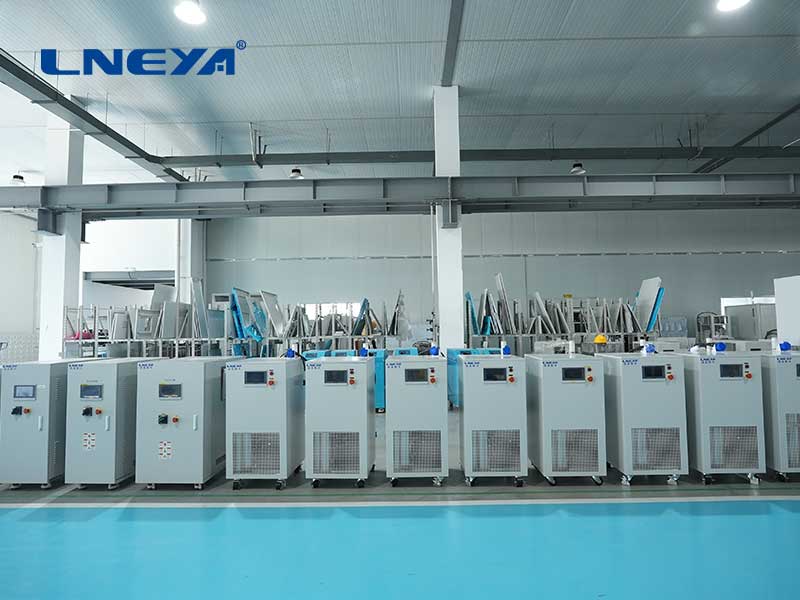
What Is Cooling Capacity
Cooling capacity tells you the amount of heat moved out of the process. It is what keeps your process at the right temperature. Think of it as the cooling effect that reaches the tool or product.
Definition of Cooling capacity
Cooling capacity is the rate of heat removal. It equals mass flow rate times specific heat of the fluid times the temperature drop across the process. That is how engineers calculate required capacity when they size a system. The number depends on flow, fluide temperature difference between supply and return.
Cooling capacity also depends on heat exchanger effectiveness and the refrigeration cycle performance. Two chillers with the same compressor can deliver different cooling capacity when heat exchanger design or piping differs.
Cooling capacity units
Typical units are kilowatts and refrigeration tons and BTU per hour. One refrigeration ton is about 3.517 kilowatts and about 12,000 BTU per hour. When a chiller is rated for 50 kilowatts, it means it can remove 50 kilowatts of heat under the test conditions stated by the manufacturer.
Always check what test conditions the rating uses. Many ratings assume a standard chilled water inlet and ambient temperature. Your plant likely has different conditions. That will change the real capacity.
The practical meaning of cooling capacity
In practice, cooling capacity tells you whether the chiller will hold the setpoint. If your process generates 30 kilowatts of heat and your chiller provides only 25 kilowatts at the actual conditions, the temperature will climb.
If the chiller provides 60 kilowatts you will oversize and waste money. The goal is to match the capacity to the real heat profile and to allow headroom for spikes.
What Is Cooling Power
Cooling power refers to the electrical energy the chiller draws while producing cooling. It is the energy the compressor, pumps, and fans use to move heat.
Definition of cooling power
Cooling power is the input electrical power required for operation. It is what you will see on the plant meter when the chiller runs. That number varies with load, with ambient conditions, and with control strategy. Variable speed drives and modern control algorithms can change power draw dramatically under partial load.
Cooling power units
Cooling power is measured in kilowatts. A spec might say power input 12 kilowatts while cooling capacity is 60 kilowatts. Those two numbers are linked but not the same. One tells how much cooling you get. The other tells what you pay for it in energy.
The practical meaning of cooling power
Cooling power impacts electricity cost and the size of the electrical supply. It also matters for thermal management within the facility. High power draw implies more heat rejected to the surrounding and possibly higher ventilation or HVAC needs for the chiller room. Lower power draw for the same capacity means lower operating cost over time.
Cooling Capacity and Cooling Power Relationship
The ratio of cooling capacity to cooling power is the key efficiency metric. Engineers call it COP or coefficient of performance. A higher COP means more cooling for each unit of electrical input.
COP equals cooling capacity divided by cooling power. If a unit delivers 50 kilowatts of cooling while drawing 10 kilowatts of electrical power, the COP is 5. That means five units of heat are moved for each unit of electricity used.
COP changes with operating conditions. Hotter ambient air or higher condenser temperatures reduce the COP. Lower load and proper staging can improve COP in real operations. This is why manufacturers publish performance curves rather than single numbers. Engineers use those curves to predict performance in real conditions.
Understanding the relation also explains why simply picking the largest compressor does not guarantee better results. Efficiency comes from the right combination of compressors, heat exchangers, refrigerant choice, control strategy, and piping design.
Common Misunderstandings
• A common mistake is to read the power input as cooling capability. More power does not necessarily mean more cooling. It can mean the opposite if the machine is inefficient.
• Another error is to compare capacity numbers without matching test conditions. Two chillers both labeled 30 kilowatts can behave differently when inlet temperatures or ambient temperatures differ. The chiller with better heat exchanger design or better control may produce more usable cooling at your site.
• Many buyers also forget partial load performance. Chillers often run at partial load most of the time. The best unit is not the one with the highest peak COP. It is the one with the best average efficiency across the load profile the process actually sees.
• Finally, do not size by safety margin alone. Oversizing creates short cycling, more wear, and higher maintenance. Engineers prefer proper sizing with good control and some headroom for spikes.
Conclusão
A good chiller selection is rooted in field data and honest testing. Talk with an engineer who will model your real production profile rather than rely solely on catalog numbers. That approach saves energy, reduces downtime, and improves control of the process you care about.
📞Phone:+86 189 1425 3067
🌐Website: https://www.lneya.com
✉️Fill out the form to receive a quote: https://www.lneya.com/contact

Blogues recentes
- What Does a 200 Ton Chiller Cost
- Temperature Control in Photolithography
- Is a Used Chiller a Good Idea
- Chiller Components and Refrigeration Fundamentals Guides
- Chiller Types and Selection Guides
- How Does a Peltier Cooler Work
- Peltier Chiller vs. Compressor Chiller
- What Is a Peltier Chiller
Catálogo
- Dezembro 2025
- Novembro 2025
- Outubro 2025
- Setembro 2025
- Agosto 2025
- Julho 2025
- Junho 2025
- Maio 2025
- Março 2025
- Fevereiro 2025
- Janeiro 2025
- Dezembro 2024
- Novembro 2024
- Outubro 2024
- Setembro 2024
- Agosto 2024
- Julho 2024
- Junho 2024
- Maio 2024
- Abril 2024
- Março 2024
- Fevereiro 2024
- Setembro 2023
- Julho 2023
- Junho 2023
- Maio 2023
- Janeiro 2023
Etiqueta
refrigerador arrefecido a ar refrigerador Instalação de chillers Chiller Maintenance chiller refrigerant refrigeradores Congelador de montagem a frio refrigerador de refrigeração sistema de arrefecimento e aquecimento sistema de arrefecimento sistema de controlo dinâmico da temperatura chiller energeticamente eficiente refrigerador à prova de explosão congelador circulador de aquecimento refrigerador industrial refrigeradores industriais arrefecimento industrial congelador industrial frigorífico industrial reator de camisa refrigerador de laboratório refrigerador de baixa temperatura notícias refrigerador de óleo refrigerador de processo resfriamento de processo refrigerador do reator arrefecimento do reator arrefecimento do reator aquecimento aquecimento do reator arrefecimento bomba de circulação refrigerada refrigerador de parafuso refrigerador de semicondutores refrigerador de teste de semicondutores sundi tcu controlo da temperatura câmara de ensaio termóstato refrigerador de temperatura ultra baixa refrigerador de ensaio de veículos refrigerador de água refrigerador arrefecido a água
Contactar-nos
Chillers relacionados


FALE CONOSCO
TEL:
EMAIL:
WeChat & WhatsApp:

Wechat QR

Tem alguma pergunta ou precisa de um orçamento? Preencha o formulário abaixo e nossa equipe entrará em contato dentro de 24 horas.

